A Synodal church? Perhaps, but the Primacy of Peter Remains Untouchable

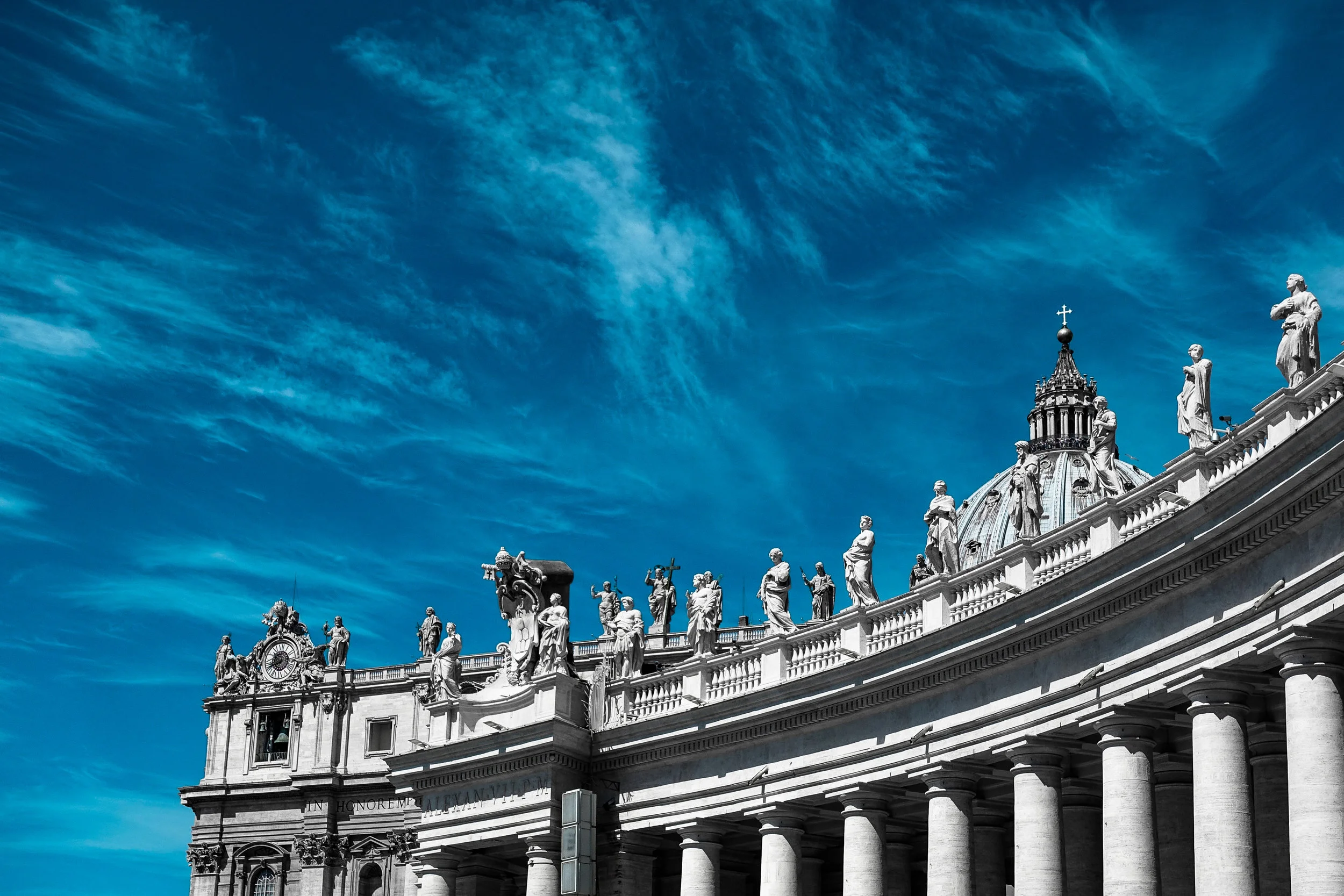
Rome is Catholic but it is also Roman. As it opens itself to (Catholic) synodality it strengthens the (Roman) papacy. Those who think that synodality is synonymous with evangelicalism are therefore deluding themselves. It appears to be a mode of catholicity that, while it elasticizes some aspects, it does not touch the decisive ones.

Read More
Pope Francis in Mongolia: An Evangelical Reflection

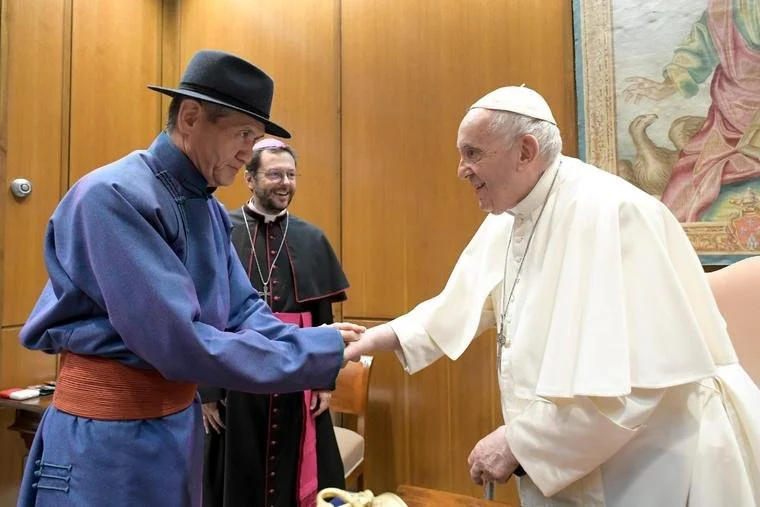
Evangelicals must not fall into the trap of believing that altruism is an antonym of theological conviction and clarity. That is certainly not the case. In fact, the Gospel of Jesus Christ suggests that true altruism is best expressed in the faithful proclamation of the biblical Gospel, especially the parts of it that offend fallen human nature.

Read More
Same Words, Different Worlds in Action

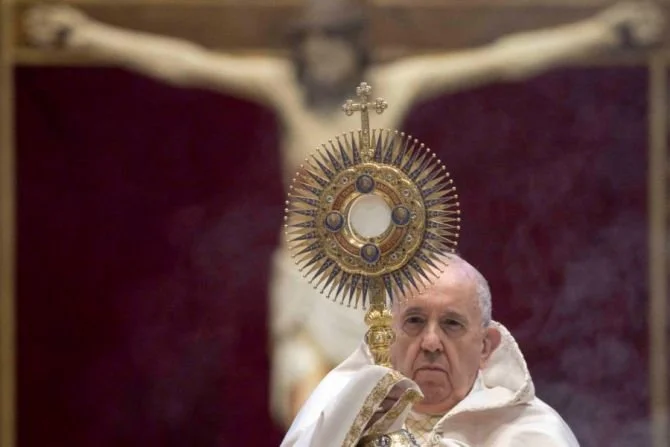
In a recent article in Christianity Today, an influential Evangelical pastor in London by the name of Nicky Gumbel, praised the Roman Catholic Church for “leading the way in evangelization.” Gumbel pointed to Pope Francis’s 2013 Apostolic Exhortation Evangelii Gaudium (The Joy of The Gospel) as an excellent roadmap for Christians in understanding evangelization.

Read More
Who are my Brothers and Sisters? Pope Francis Provides an Answer

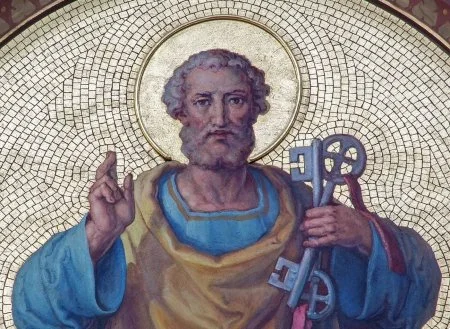
While Jews and Muslims and Christians are called to live in peace, to respect one another, to dialogue, and to collaborate together on issues that do not require a capitulation of any kind whatsoever of the gospel, the Bible is crystal clear that they are not brothers and sisters in the way that Pope Francis suggests. To say otherwise confuses and distorts the gospel to a point of unrecognition. And if the gospel is no longer recognizable, it can no longer save.

Read More
The “Liquolid” Nature of Vatican II Roman Catholicism

In February of this year the well-known American Catholic George Weigel wrote a short, thought-provoking article for First Things titled “Liquid Catholicism and the German Synodal Path.” And while my good friend and colleague Leonardo De Chirico has already contributed an excellent reflection on Weigel’s article, two additional reflections are perhaps merited.

Read More
The Unresolved “Roman” and “Catholic” natures of Dialogue

The subject of dialogue in modern-day Roman Catholicism highlights with clarity the unresolved issues of the “Roman” and “Catholic” natures of the Church. On the one hand dialogue desires to be “Roman.” It is an essential tool for evangelization. Through it the Church leaves its places of comfort and it goes forth and proclaims the gospel and makes disciples of Christ. It recognizes the importance of defining the distinctives of the Christian faith. On the other hand, dialogue is very “Catholic.” It highlights the fraternity and brotherhood of all mankind. It celebrates its commonality and affirms that which is good in humanity and its various religious expressions. It avoids discussion of Jesus and sin and refers to god generically.

Read More
A Stark Missiological Contrast Worth Noting

There is an analogous case to be made in regard to doctrine within the Roman Catholic Church. Doctrine in Roman Catholicism develops, or evolves, over time. It is organic and develops in order to better respond to the most current culture. In this sense it develops in order to “survive and reproduce itself.” The discussion to be had, however, is if that development in doctrine is micro or macro in nature. That is, is it still identifiable with its previous version, or has it changed entirely and become a different and new doctrine? The Roman Catholic Church will argue that it is the former, but at times we are faced with contrasts in Roman Catholicism that challenge that claim.

Read More